
You’re standing in front of your closet, staring at bras that fit perfectly six months ago. Now they’re uncomfortable. Too tight. You catch your reflection and think, “Wait, did my breasts get bigger?”
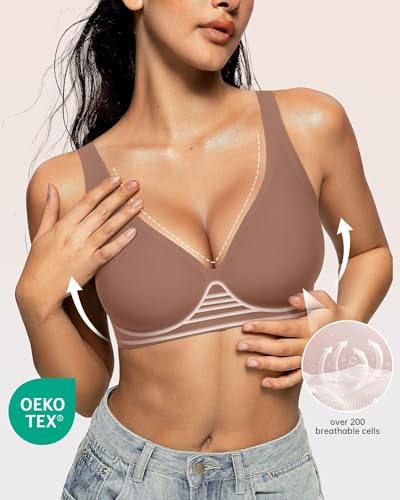
You’re not imagining it. And you’re definitely not alone.
I’ve had this conversation with dozens of clients in their 60s. They come to me confused, sometimes embarrassed to bring it up. One client, Janet, finally asked me after three months of training together: “Claudia, is it normal for my breasts to grow at 63? Where were they when I was younger? Now I get curves?”
I laughed because I’ve thought the exact same thing.
Important note: While breast size changes in your 60s are often related to normal body composition shifts, hormonal changes, or weight fluctuations, it’s always wise to mention any unexpected body changes to your doctor during your next checkup. This is especially true if you notice other symptoms like pain, lumps, or sudden changes.
Quick Answer Box 📋
Short answer: Breast growth in your 60s usually happens because of weight gain, hormonal shifts after menopause, medication side effects, reduced activity, fluid retention, or changes in breast tissue composition. Most causes are normal and manageable. Read on for what’s happening and what actually helps.
The Real Reasons Your Breasts Are Getting Bigger
Let me break down what’s actually happening in your body. There are several common reasons, and they often work together.
1. Weight Gain and Body Composition Changes
This is the most common reason. And it’s not about willpower or letting yourself go.
Your metabolism naturally slows in your 60s. You might be eating the same amount you always have, but your body processes it differently now. Even a gradual weight gain of 10 to 15 pounds can significantly increase breast size. Why? Breasts are primarily fatty tissue.
Here’s what makes this tricky. You might not notice the weight gain elsewhere. Some women gain weight mostly in their breasts and midsection. Their arms and legs stay relatively the same. It’s frustrating, but it’s how our bodies redistribute fat after menopause.
What’s happening: As estrogen levels drop after menopause, your body stores fat differently. Fat that used to go to your hips and thighs now goes to your abdomen and chest. This is a normal hormonal shift, not a personal failure.
Pro Tip 💡: Take photos in the same bra once a month. Sometimes visual evidence helps you see patterns more clearly than the scale does.
2. Hormonal Changes (Even Years After Menopause)

“But I went through menopause 10 years ago,” you might be thinking.
Hormones don’t just stop changing after menopause ends. Your body continues adjusting to lower estrogen levels throughout your 60s and beyond.
Hormone replacement therapy (HRT): If you started or changed HRT recently, this can cause breast tissue to swell or grow. Estrogen and progesterone directly affect breast tissue. Even bioidentical hormones can cause this change.
Thyroid changes: Your thyroid function can shift in your 60s. An underactive thyroid slows your metabolism and can cause weight gain, including in breast tissue. This often develops slowly. You might not connect the dots right away.
Insulin resistance: As we age, our bodies can become less efficient at processing sugar and carbs. This leads to higher insulin levels, which can promote fat storage, including in breasts.
My client Sandra came to me frustrated after six months of “doing everything right” but still gaining weight. Turns out her thyroid was underactive. Once her doctor adjusted her medication, things started shifting.
3. Medication Side Effects

Several common medications can cause breast enlargement:
- Blood pressure medications
- Antidepressants (especially SSRIs)
- Heart medications
- Anti-anxiety medications
- Certain arthritis treatments
If you started a new medication within the past year, check the side effects list. Breast changes might be listed there. Don’t stop taking prescribed medication, but do mention it to your doctor.
Pro Tip 💡: Keep a medication log with start dates. If breast changes began around the same time as a new prescription, that’s valuable information for your doctor.
4. Reduced Physical Activity

Here’s an uncomfortable truth I share with every client. Activity levels naturally drop in our 60s.
Maybe you stopped your regular walks because of knee pain. Or you retired and lost the daily movement of your commute. Or you’re caring for a parent and don’t have time for the gym anymore.
Less movement means fewer calories burned. It also means muscle loss, which further slows your metabolism. The result? Gradual weight gain that often shows up in your breasts.
I see this pattern constantly. A client retires, stops her daily commute (3,000 steps), sleeps in instead of her morning walk (another 2,000 steps), and six months later her bras don’t fit. She didn’t change her eating. She just moved less.
5. Fluid Retention
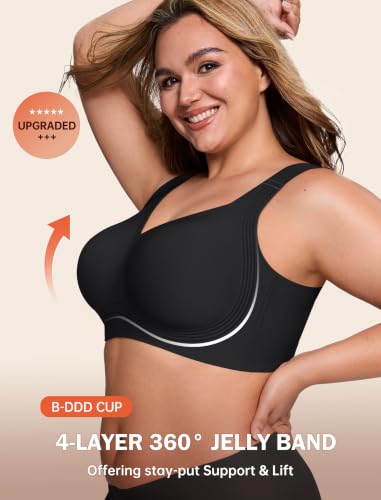
This one surprises people, but it’s real.
Changes in diet, medication, or activity can cause your body to retain more fluid. This can make breasts feel fuller, heavier, or larger. It’s not fat tissue growing. It’s temporary swelling.
Common causes:
- Too much salt in your diet
- Not drinking enough water (counterintuitive, but true)
- Sitting for long periods
- Hot weather
- Certain medications
6. Breast Tissue Changes

Even without weight gain, the composition of your breasts changes after menopause.
Glandular tissue (the dense tissue that produces milk) slowly gets replaced by fatty tissue. Fatty tissue is softer and takes up more space. So even if your weight stays the same, your breasts might get larger and feel different.
This is completely normal. It’s your body continuing to shift after menopause.
Causes at a Glance
| Cause | Why It Happens | What Helps |
|---|---|---|
| Weight gain | Slower metabolism, breasts are fatty tissue | Track calories, increase movement, strength training |
| Hormonal shifts | Post-menopause changes, HRT, thyroid issues | Talk to doctor about hormone testing |
| Medications | Side effects from common prescriptions | Review meds with doctor, consider alternatives |
| Less activity | Retirement, injury, caregiving reduces movement | Add 20-minute daily walks, light resistance training |
| Fluid retention | Diet, medication, or lifestyle changes | Reduce salt, drink more water, elevate legs |
| Tissue changes | Glandular tissue replaced by fat after menopause | Proper-fitting bra, acceptance of natural aging |
What You Can Do About It
Let’s talk solutions. Not every change requires action. But if you’re uncomfortable or concerned, here’s what actually helps.
Track Your Weight and Measurements
Start keeping a simple log. Weigh yourself once a week at the same time of day. Measure your underbust and bust every two weeks.
Why this matters: Sometimes we think changes are happening faster than they are. Or we don’t notice gradual shifts. Data helps you see patterns clearly.
Review Your Diet Honestly

I’m not talking about a strict diet. I’m talking about awareness.
Ask yourself:
- Are you eating more processed foods than you used to?
- Has your portion size grown over the years?
- Are you drinking more alcohol or sugary drinks?
- Do you eat differently now that you’re retired or have more free time?
Small changes add up. Cutting back on bread, pasta, and sweets by just one serving a day can make a real difference over three months.
Pro Tip 💡: Take photos of your meals for three days. Don’t change what you eat. Just document it. You’ll spot patterns you didn’t realize were there.
Move More (Even in Small Ways)
You don’t need to run marathons. You need consistent, daily movement.
Start here:
- Walk for 20 minutes after dinner
- Take the stairs when you can
- Stand up and move for 5 minutes every hour
- Add resistance training twice a week (even light weights help)
Building muscle is critical in your 60s. Muscle burns more calories at rest than fat does. Even adding 5 pounds of muscle can noticeably affect your metabolism.
Specific beginner workout to try:
- Wall push-ups: 10 reps
- Chair squats: 10 reps
- Standing arm circles with light weights (2-3 lbs): 15 reps
- Heel raises: 15 reps
Do this circuit twice, three times a week. It takes 10 minutes. That’s it.
For more upper body exercises that target arm strength and posture, check out these easy tricep exercises for lunch lady arms. Strong arms and shoulders help support proper posture, which makes a real difference when carrying extra breast weight.
If you’re ready to invest in home equipment, I’ve put together a guide on the only 5 pieces of exercise equipment you need after 60. You don’t need a fancy gym membership. Just a few smart tools.
Get the Right Bra (This Matters More Than You Think)
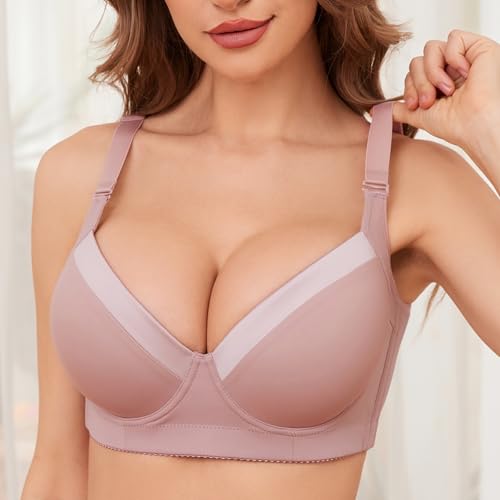
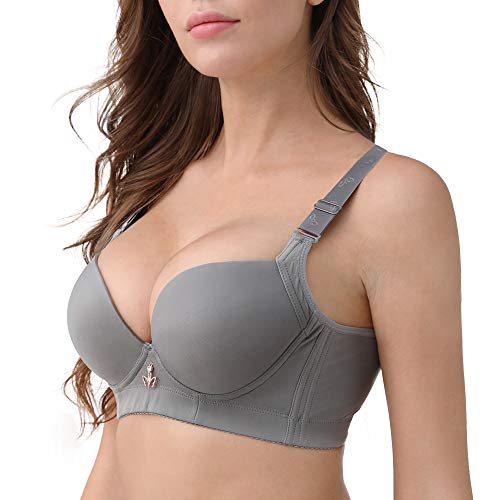
An ill-fitting bra makes everything worse. It affects your posture, causes back pain, and makes you more aware of breast changes.
Signs your bra doesn’t fit:
- Band rides up your back
- Straps dig into shoulders
- Cups gap or overflow
- Underwire pokes or sits on breast tissue
- You adjust it constantly throughout the day
Consider getting professionally fitted. Many lingerie stores offer this service for free. A proper fitting bra can take years off your appearance and significantly improve comfort.
One of my clients, Barbara, resisted getting fitted for two years. She finally went and discovered she’d been wearing the wrong size since her 40s. She texted me after: “Claudia, I can’t believe I suffered this long. I feel 10 pounds lighter.”
While you’re thinking about supportive garments, you might also want to check out the best underwear for sagging tummy for women over 60. Proper support from the right undergarments (bras AND underwear) can completely transform how your clothes fit and how you feel.
Pro Tip 💡: Get fitted every year. Your size can change even if your weight doesn’t, especially in your 60s.
Talk to Your Doctor About Medications
If you started a new medication around the time your breasts got bigger, mention it.
Your doctor might be able to:
- Switch you to a different medication
- Adjust your dosage
- Rule out other causes
Don’t suffer in silence. Breast changes are a legitimate concern to bring up.
Consider Hormone Testing
If you suspect hormonal imbalances, ask for blood work.
Tests to request:
- Thyroid panel (TSH, T3, T4)
- Estrogen and progesterone levels
- Cortisol levels
- Insulin and blood sugar
These tests can reveal underlying issues causing weight gain or breast changes. Many are fixable with proper treatment.
When to See a Doctor Right Away
Most breast size increases in your 60s are benign. But some signs require immediate medical attention:
- Rapid change in one breast (not both)
- New lumps or hard areas
- Nipple discharge (especially bloody)
- Skin changes (dimpling, redness, warmth)
- Pain that’s new or getting worse
- Swelling in your armpit
Don’t wait on these. Schedule an appointment within the week.
What About Breast Reduction?
Some women consider breast reduction surgery in their 60s.
This is a personal decision. But here’s what I tell clients who ask.
Consider reduction if:
- Your breasts cause chronic back, neck, or shoulder pain
- You have permanent grooves from bra straps
- You can’t exercise comfortably
- Skin issues develop under your breasts
- It’s affecting your quality of life
Think carefully if:
- The change is recent (give it 6 to 12 months)
- You haven’t tried weight loss or strength training yet
- You’re doing it purely for appearance
- You have other health issues that make surgery risky
Surgery is always an option, but it’s not the only option. Start with lifestyle changes and proper support garments first.
Real Talk: The Emotional Side
Let’s address what nobody talks about.
Breast changes in your 60s can feel like your body is betraying you. You’re supposed to be shrinking, not growing. And honestly? Where were these bigger breasts when we were 25 and would have killed for them? Now they show up uninvited in our 60s with back pain as a bonus gift.
I know. The timing is ridiculous.
I hear this frustration in my training sessions constantly. Women feel invisible in their 60s, and then their breasts get bigger, drawing attention they don’t want. Or they finally feel confident in their bodies, and then things change again.
Here’s what I want you to know. Your body is not broken. It’s adapting. It’s doing what bodies do as we age.
You’re allowed to feel frustrated. You’re also allowed to take action to feel more comfortable. These feelings don’t contradict each other.
Frequently Asked Questions
Can exercise reduce breast size?
Exercise can help if your breast size increase is due to weight gain. Cardiovascular exercise burns overall body fat. Strength training builds muscle to boost metabolism. However, you can’t spot-reduce fat from specific areas. Your body decides where fat comes off first.
Is breast growth in your 60s a sign of cancer?
Breast growth alone is rarely a sign of cancer, especially if it’s happening in both breasts equally. However, rapid change in one breast, lumps, or other symptoms should be checked by a doctor immediately. Regular mammograms remain important throughout your 60s and beyond.
Why did my breasts get bigger but I didn’t gain weight?
This can happen due to hormonal changes that redistribute fat from other areas to your breasts, fluid retention, or changes in breast tissue composition as glandular tissue is replaced with fatty tissue. It can also be related to medications or slight shifts in body composition that don’t show up on the scale.
Will losing weight make my breasts smaller?
For most women, yes. Breasts are primarily fatty tissue, so weight loss typically reduces breast size. However, the amount varies by person. Some women lose breast size quickly with weight loss, while others notice minimal change. It depends on your genetics and body composition.
Do breast changes continue after 60?
Yes, your breasts continue changing throughout your life. In your 60s and beyond, you might notice changes in size, shape, firmness, and position. This is normal aging. However, always monitor for sudden or unusual changes and report them to your doctor.
Should I still get mammograms in my 60s?
Yes. Most medical organizations recommend continuing annual mammograms through at least age 75, and potentially beyond if you’re in good health. Breast cancer risk doesn’t disappear with age. Talk to your doctor about the right screening schedule for you.
Can stress cause breast size changes?
Stress affects your cortisol levels, which can lead to weight gain and fluid retention. Chronic stress can also impact your thyroid and other hormones. While stress alone won’t dramatically change your breast size, it can contribute to gradual changes over time.
The Bottom Line
Your breasts getting bigger in your 60s is usually the result of normal body changes, weight fluctuations, hormonal shifts, or medication side effects.
It’s not your imagination. It’s not inevitable. And it’s not something you just have to accept if it’s bothering you.
Start with the basics. Track your weight, move more, review your diet, and make sure your bra fits properly. Talk to your doctor about medications and hormone testing if needed.
Most importantly, give yourself grace. Your body has carried you through six decades. It’s still carrying you now. These changes are just another chapter in that story.
You’re not alone in this. And you’re not powerless.
What’s your experience been? Have you noticed breast size changes in your 60s? Reply and let me know what’s worked for you.
About the author
Claudia Faucher is a fitness and lifestyle blogger who shares practical tips for women over 50 on staying active, stylish, and confident. As the creator of FitFab50.com and Beyond59.com, she covers topics like workout gear, beauty trends, and wellness routines. Claudia is passionate about helping others live their best life at any age.